- Apr 13
- 3 min read

















Story First. Always.
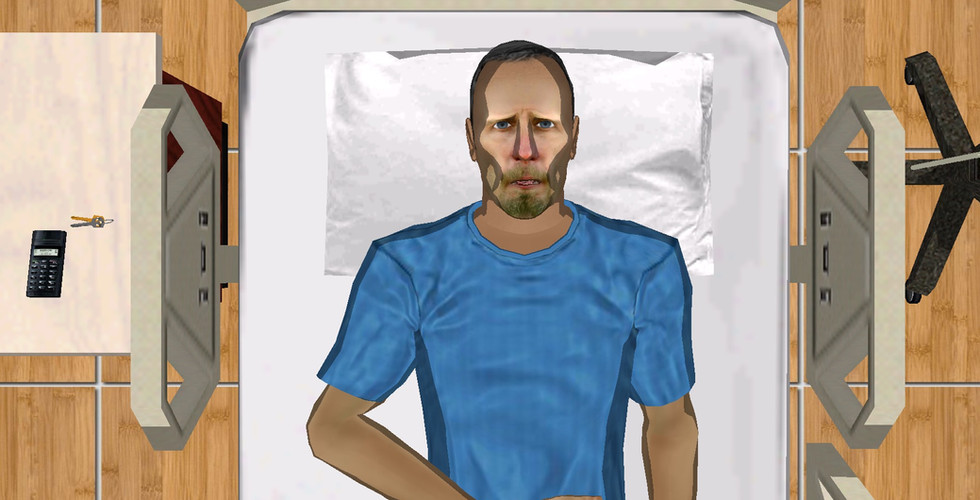
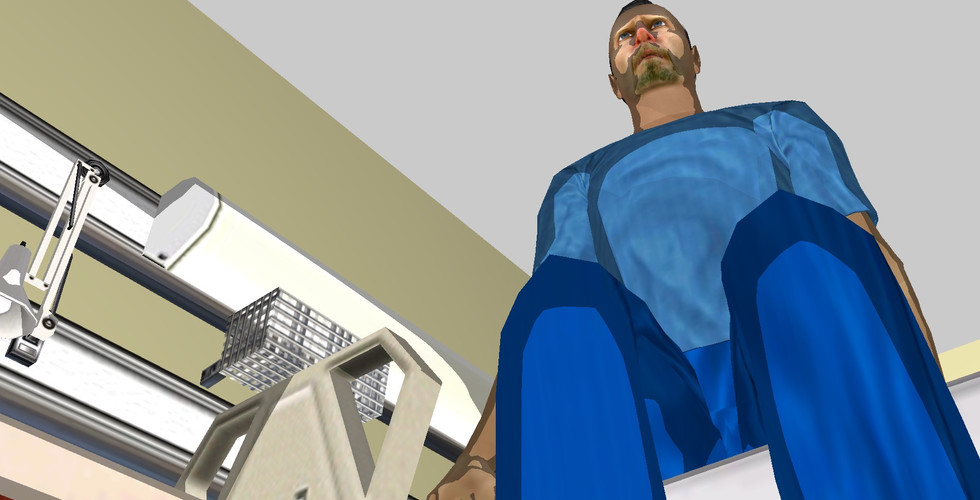
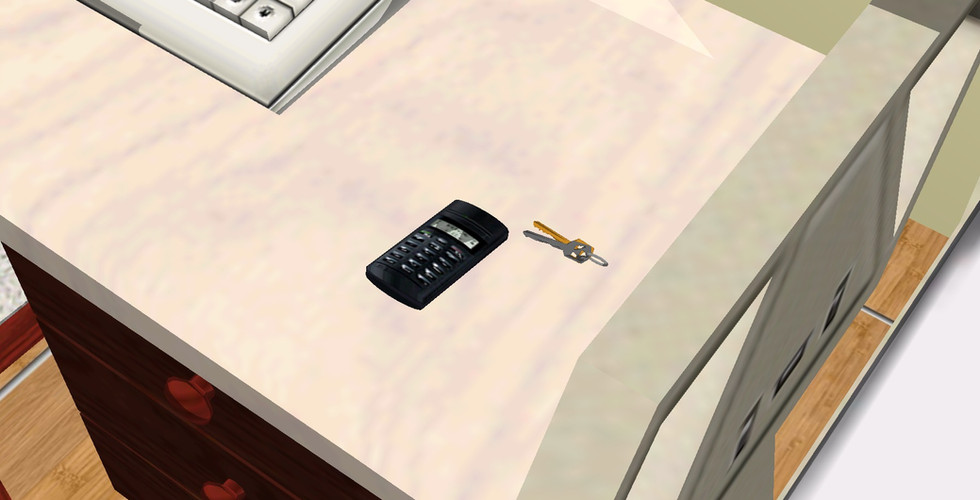
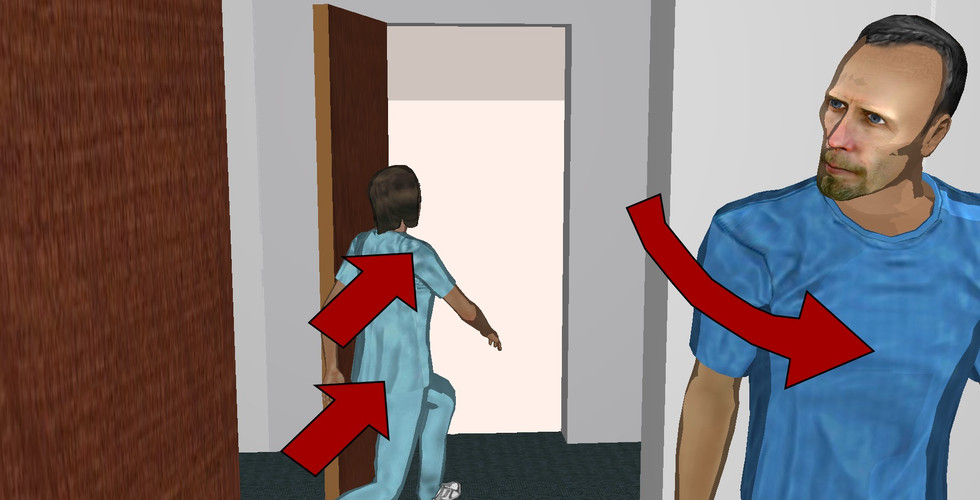
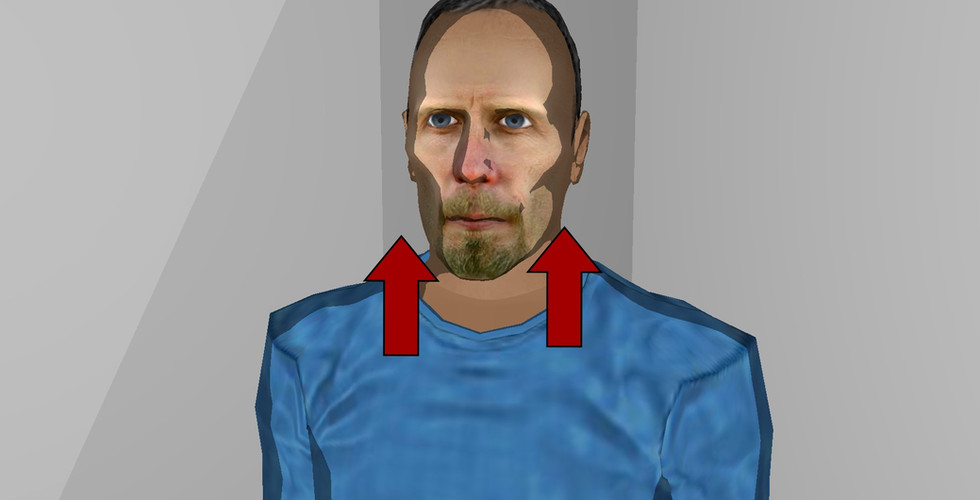
Right now, I’ve started the process of storyboarding Wretch Like Me. Every scene. Every beat. Every camera move. It’s one of the most time-consuming parts of the process, but it’s also one of the most important.
Because this is where the movie truly starts to take shape.
And practically speaking, it’s how we keep this film lean, focused, and actually doable.
Why Storyboarding Matters
Storyboarding isn’t just about drawing shots. It’s about removing guesswork.
When you show up on set without a plan, time slips away. You shoot things you don’t need. You miss things you do. You spend money figuring it out in the moment.
We don’t have the luxury of that.
By storyboarding the entire film, we know exactly what we’re filming before we ever step on set. We know the angles. The coverage. The transitions. The emotional beats. It allows us to move fast and stay intentional.
Fewer surprises. Fewer wasted setups. Shorter shoot days. That’s how you stretch a budget. That’s how you finish a movie intentionally.
A Breakneck Pace by Design
The pace of Wretch Like Me is not accidental. This story is meant to move.
From the very beginning, Hank is pulled into something he cannot control. The tension builds quickly. The moments don’t linger. The world closes in. And before he can fully process what’s happening, he’s already deeper in it.
That’s the feeling we want. Like you’re being dragged into the darkness whether you’re ready or not.
And at the same time, there are flashes of light. Moments of clarity. Moments of hope. They don’t stop the descent, but they guide you through it.
Storyboarding helps us control that rhythm.
We’re designing how long a moment breathes. When we cut. When we hold. When we push in. When we don’t. Every choice contributes to that feeling of momentum. Of inevitability.
By the time we reach the end, it shouldn’t feel like a surprise. It should feel like there was no other way it could end.
Keeping the Budget Tight
There’s also a very practical side to all of this. We don’t have a massive budget. Every dollar matters.
Storyboarding allows us to build a schedule that is realistic. We know how many setups are in a day. We know what locations need. We know what we can combine. We know what we can cut before it costs us anything.
And most importantly, it honors the people who are trusting us with their support.
That’s good stewardship.
Moving Forward in Faith
We haven’t found all of the budget yet. But I truly believe God has led us to this story. So we’re moving forward with what we can do right now.
Storyboarding. Planning. Refining.
All of it costs time, not money. So I’m doing it nights and weekends. Putting in the work now so that when the time comes, we’re ready.
And honestly, I’ve never felt more motivated. Because this isn’t just a movie to me.
I know people in my life who would never step foot in a church. They would never sit through a sermon. But they will watch a story. They will feel something. They will wrestle with it.
That’s why this matters. We’re not watering anything down. We’re just telling it in a way that reaches people where they are.
Why I’m Doing This
I’m not doing this for money. I’m not doing this for recognition. I’m doing this because I feel called to it.
This is the way I’ve been wired. The way I tell stories. The way I connect with people. And if I can use that to share something deeper, something true, then I have to try.
This is my way of living out the Great Commission through the gifts I’ve been given.
So we keep going. One frame at a time.
And if you’ve been following along, praying, sharing, or even just encouraging from a distance, it means more than you know.
Let’s make this thing.
Thanks for the explanation of "storyboarding"! I learned a lot. Keep up the good work - onward!